Choosing the right thread is one of the most important decisions in machine embroidery—yet it’s often overlooked by beginners.
You can have the best embroidery machine, perfect stabilizer, and a beautiful design, but if your thread is poor quality or unsuitable for your project, the final result will suffer.
This guide will help you understand how to choose the best machine embroidery thread, including types, materials, weights, and practical tips for professional-quality stitching.
Why Embroidery Thread Matters So Much
Embroidery thread affects:
- Stitch smoothness
- Color vibrancy
- Thread breakage frequency
- Design durability
- Overall professional appearance
👉 Good thread = clean, shiny, long-lasting embroidery.
👉 Poor thread = frustration and inconsistent results.
Main Types of Machine Embroidery Thread
1. Polyester Embroidery Thread (Best All-Around Choice)
This is the most popular thread for machine embroidery.
Advantages:
✔ Extremely strong and durable
✔ Colorfast (won’t fade easily)
✔ Resistant to washing and bleach
✔ Works on most fabrics
Best for:
- Baby clothes
- Towels
- Everyday items
- Business embroidery
👉 If you only choose one type, choose polyester.
2. Rayon Embroidery Thread (High Shine Option)
Rayon thread is known for its beautiful glossy finish.
Advantages:
✔ Smooth and shiny appearance
✔ Vibrant colors
✔ Great for decorative embroidery
Disadvantages:
- Less durable than polyester
- Can break more easily at high speeds
Best for:
- Decorative designs
- Fashion embroidery
- Home décor pieces
3. Cotton Embroidery Thread (Natural Look)
Less common in machine embroidery but still useful.
Advantages:
✔ Matte, natural finish
✔ Soft appearance
Best for:
- Traditional embroidery looks
- Vintage-style projects
4. Metallic Embroidery Thread (Decorative Specialty Thread)
Used for shiny, eye-catching designs.
Advantages:
✔ Bold decorative effect
✔ Perfect for festive embroidery
Challenges:
- Can shred easily
- Requires slower machine speed
- Needs metallic needle
5. Variegated Thread (Color-Changing Thread)
A creative thread that blends multiple colors.
Best for:
- Floral designs
- Abstract patterns
- Artistic embroidery
What Thread Weight Should You Use?
Most machine embroidery uses:
✔ 40-weight thread (standard)
This is the most common and balanced option.
Other options:
- 30-weight → thicker, more decorative
- 60-weight → fine detail work
👉 For beginners, stick with 40-weight polyester thread.
How to Choose the Best Machine Embroidery Thread
Step 1: Match Thread to Project Type
- Baby clothes → Polyester (durable, washable)
- Towels → Polyester (strong, colorfast)
- Decorative items → Rayon or metallic
- Outdoor items → Polyester (weather-resistant)
Step 2: Check Thread Quality
High-quality thread should:
✔ Be smooth (no fuzz)
✔ Unwind evenly
✔ Have consistent thickness
✔ Not break easily
Step 3: Choose Trusted Brands
Well-known embroidery thread brands include:
- Madeira
- Isacord
- Sulky
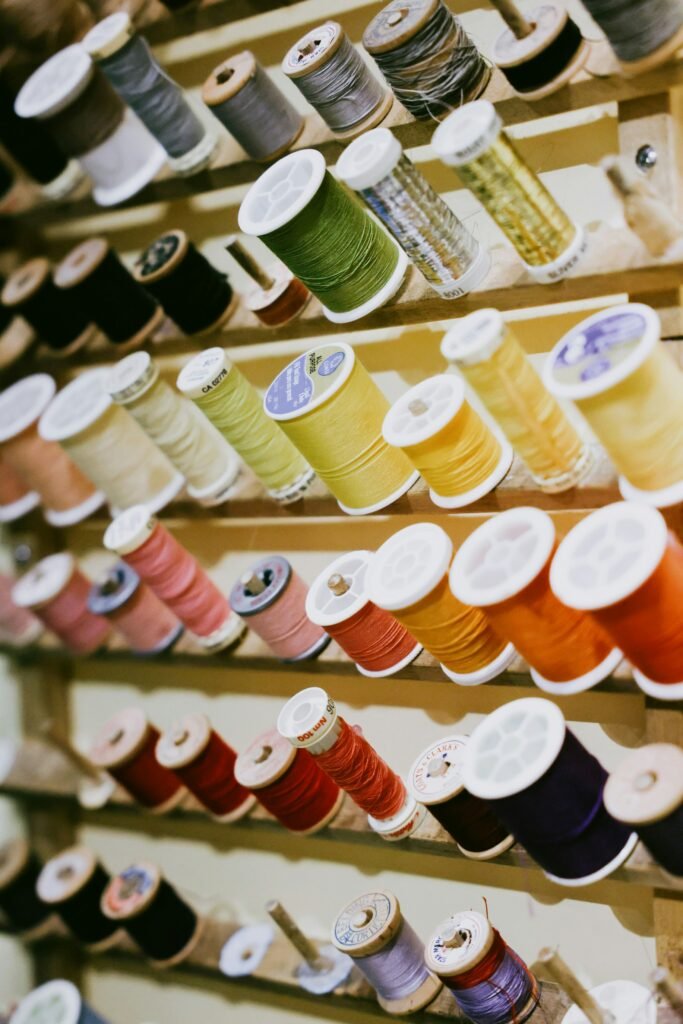
- Coats & Clark
- Robison-Anton
👉 Brand quality matters more than price.
Step 4: Consider Color Range
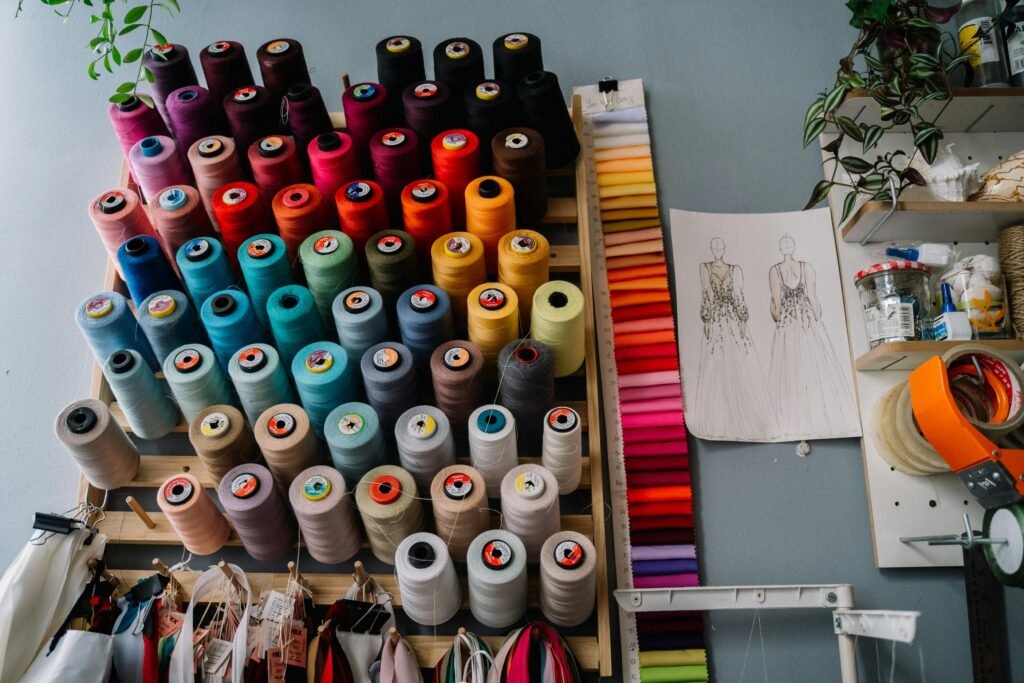
A good embroidery thread set should include:
- Basic neutrals (black, white, beige)
- Primary colors
- Pastels
- Metallic accents
Step 5: Think About Your Machine
Some machines perform better with specific thread types.
Always check:
- Recommended thread types in manual
- Tension settings
- Needle compatibility
Common Machine Embroidery Thread Mistakes
🚫 Using cheap thread that frays easily
🚫 Mixing brands without testing tension
🚫 Using the wrong needle for the thread
🚫 Stitching too fast with delicate thread
🚫 Ignoring thread storage conditions
How to Prevent Thread Problems
✔ Use a fresh embroidery needle (75/11 or 90/14)
✔ Reduce machine speed for metallic threads
✔ Clean lint regularly from thread path
✔ Store thread away from sunlight and dust
✔ Test each new thread before final project
Best Thread for Beginners
If you’re just starting out, choose:
👉 40-weight polyester embroidery thread
Why?
- Easy to use
- Strong and forgiving
- Works on almost all fabrics
- Low risk of breaking
Pro Tips for Better Thread Results
✔ Match thread color under good lighting
✔ Use high-quality bobbin thread for balance
✔ Avoid mixing low and high-quality threads in one design
✔ Keep tension settings consistent
✔ Always run a test stitch
Final Thought
The right thread doesn’t just change how your embroidery looks—it changes how your entire machine behaves.
When you choose high-quality, appropriate thread for your project, everything becomes smoother: fewer breaks, cleaner stitches, richer colors, and far more professional results.
In machine embroidery, thread isn’t just a supply—it’s the detail that brings your design to life.